Onsen Etiquette: The Complete Guide for First-Timers
Most people I meet who’ve never been to a Japanese onsen aren’t worried about finding one or affording it. They’re worried about doing something wrong. That’s understandable, but the actual onsen rules are straightforward once someone lays them out clearly. Onsen etiquette for beginners comes down to a handful of practical steps, and after your first visit you’ll barely think about them.
Here’s the complete guide, in the order you’ll actually do things.
Trust me, I wish I had this guide in my hand before I stepped through the noren curtain to the onsen for the first time. It took me about 10 minutes to get undressed because I was so afraid of doing something wrong. (Is it top half first or bottom half first? Maybe I’ll never know.)
What is an Onsen? (vs Sento)
Quick clarification before we start, because it trips people up. An onsen is a bath fed by a natural hot spring, so the water is mineral-rich and geothermally heated. A sento is a public bathhouse that uses ordinary heated tap water. The experience feels similar, the buildings can look identical, and the etiquette below applies to both in exactly the same way. So don’t worry if you’re not sure which one you’ve walked into; the rules don’t change.
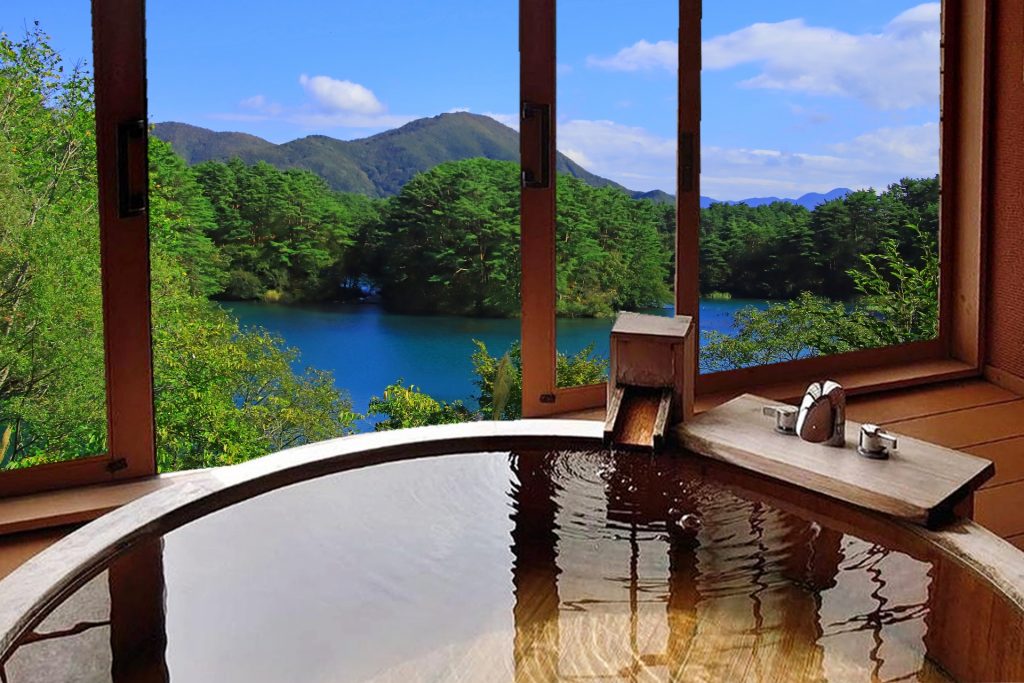
Before You Enter: Onsen Rules for the Changing Room
Leave your shoes at the entrance (there’s usually a separate shoe locker called a geta-bako). This is what you see in the entrance of Japanese schools in all sorts of dramas, films and anime. Use the lockers in the changing room to store your clothes and belongings. You’ll take in only a small towel, provided or brought from home, and nothing else. Phones and cameras stay in the locker, full stop. Photography in any bathing area is prohibited, and this is one onsen rule nobody bends.
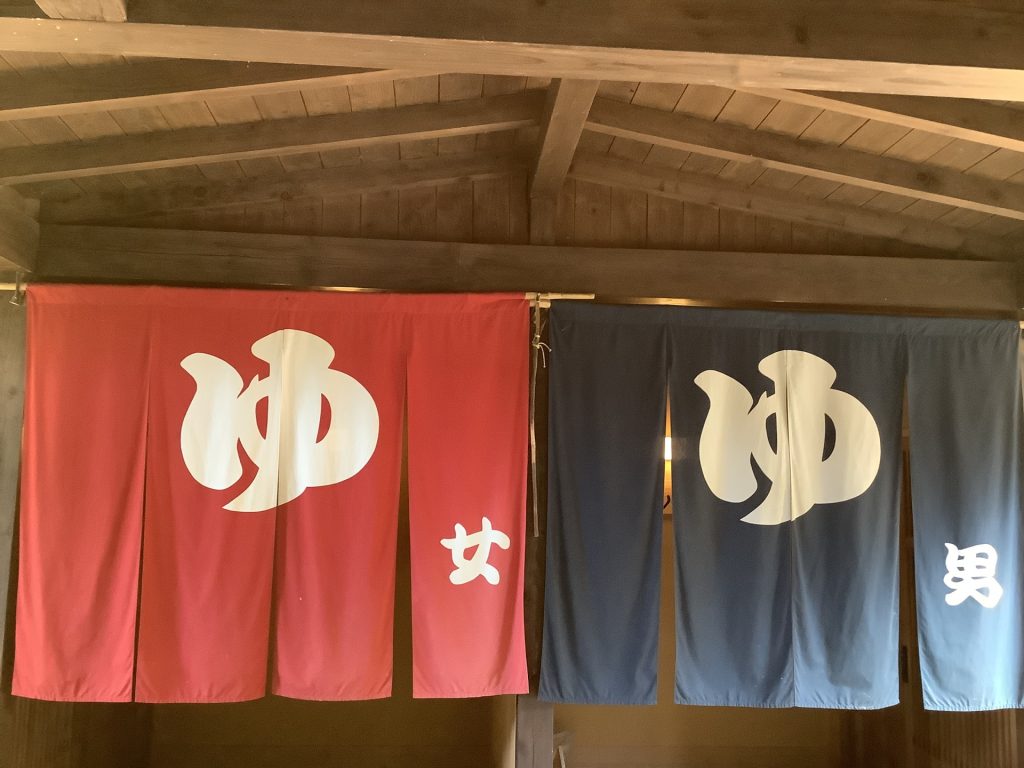
You’ll also need to find the right door. The entrances are gender-separated and marked with a coloured noren curtain: red usually means women (女) and blue usually means men (男). If you can’t read the kanji, go by the colour, and if you’re still unsure, just ask a member of staff. Nobody minds the question, and it’s far better than the alternative.
Baths are no-clothes and gender-separated. No swimsuits. If that gives you pause, you’re not alone; it trips up almost every first-timer, and as I mentioned, it definitely got me.
If you have tattoos, always check at the front desk or if you can, check online before you go. Policies vary widely from one facility to the next.
The Washing Area: The Most Important Onsen Etiquette Rule
Before you enter the bath, you need to wash your entire body at one of the seated shower stations. This isn’t optional and it isn’t symbolic; it’s the whole point of onsen etiquette. The onsen water is shared, and you’re expected to arrive in the bath already clean.
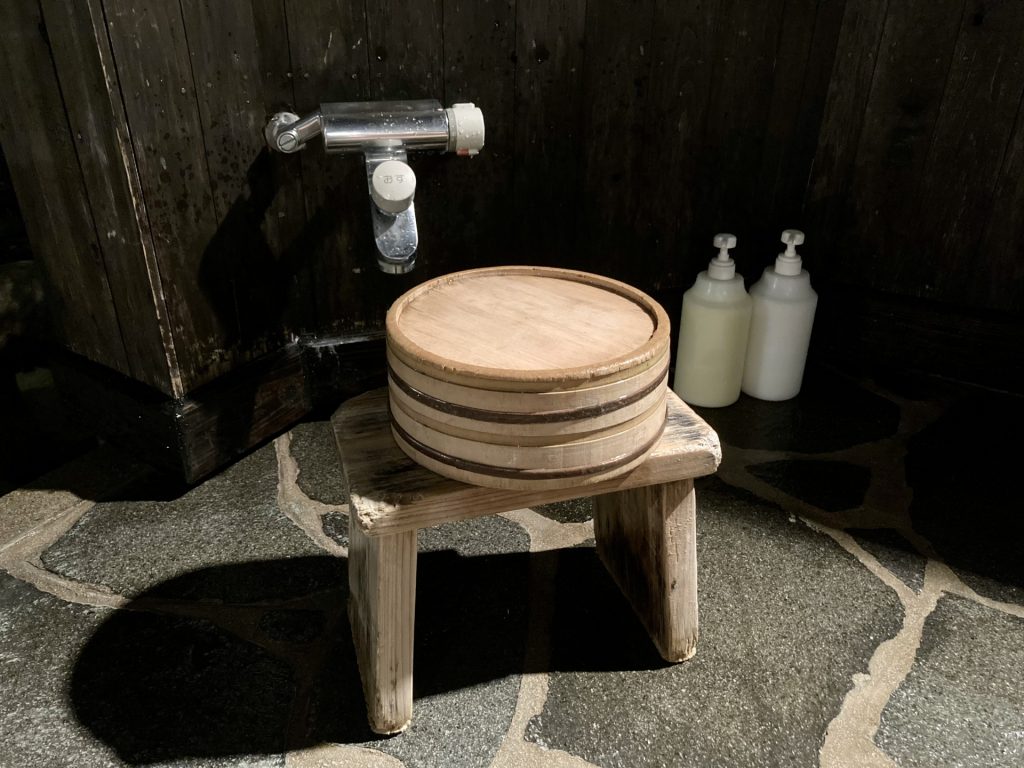
Sit at a station, use the shampoo and body wash provided, and rinse off thoroughly. Take your time. When you finish, give the stool, bucket and space a quick rinse so it’s clean for the next person; leaving your station tidy is a small courtesy that locals notice. If you can, put the bucket and stool back where you found them if they weren’t at the station already.
Once you’re clean, carry your small towel to the bath with you.
Getting In: The Pre-Soak Rinse (Kakeyu)
Right before you step into the bath, scoop up some of the hot water with a ladle or bucket and pour it over your body a few times, starting from your feet and legs and working up. This is called kakeyu, and it does two things: it gives you a final rinse, and it lets your body adjust to the heat so the first moment in the water isn’t a shock.
Then lower yourself in slowly. Onsen water is hot, often hotter than you’re expecting. Most baths sit somewhere between 38 and 43°C, and a few run hotter still. However, once you’re mostly used to the heat, its sometimes better to just take the plunge and adjust. Just don’t dive in right away.
I usually recommend getting your main blood-flow points accustomed first – wrists and ankles.
In the Bath: Onsen Etiquette Do’s and Don’ts
Once you’re in, the rest is mostly common sense, but to make sure you don’t make any terrible errors, check out the simple checklist below.
Do:
Don’t:
One more thing worth knowing before you go in: take off your jewellery and leave it in your locker. Many springs are sulphurous, and sulphur tarnishes silver and other metals surprisingly quickly. A ring or necklace you love is not worth the risk.
A couple of before-you-go health notes, too. Don’t get in within about 30 minutes of a meal, and skip the bath entirely if you’ve been drinking. If you’re pregnant, or you have high blood pressure or a heart condition, it’s worth checking with a doctor first. Most facilities post these contraindications at the bath entrance, but usually in Japanese, so they’re easy to miss if you can’t read them.
That’s genuinely it. People are generally absorbed in their own experience, and nobody is watching you. That’s the single most important thing to remember if you’re nervous!
Getting Out and Cooling Down
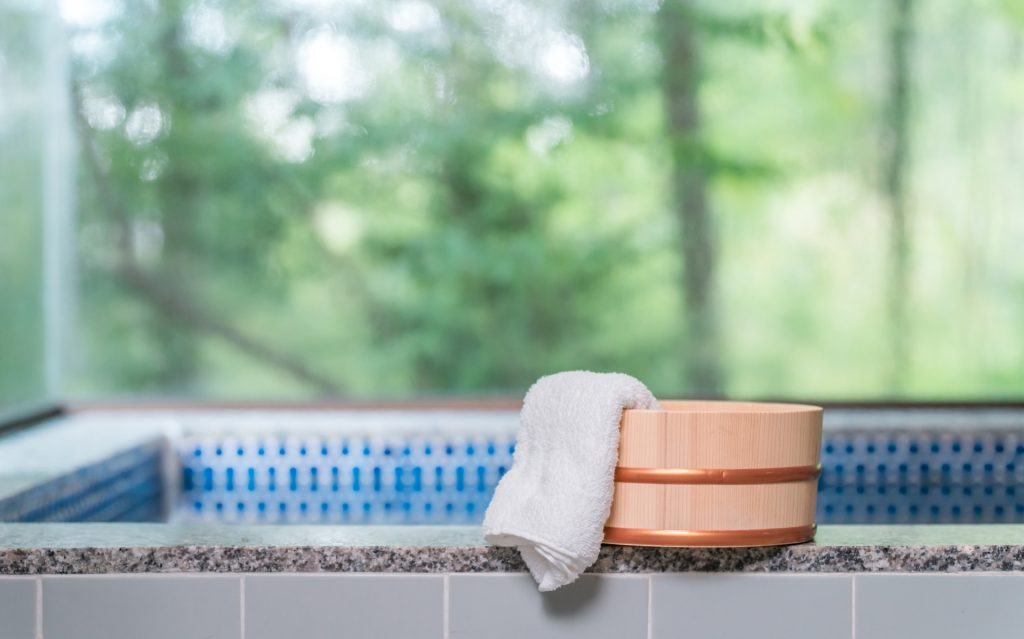
You don’t have to rinse off after your soak. A light rinse is fine if you’d like one, but plenty of people prefer to leave the minerals on their skin, so it’s entirely up to you. The one thing that isn’t optional is drying off. Give yourself a quick wipe with your small towel before you walk back into the changing room, so you’re not dripping across the floor.
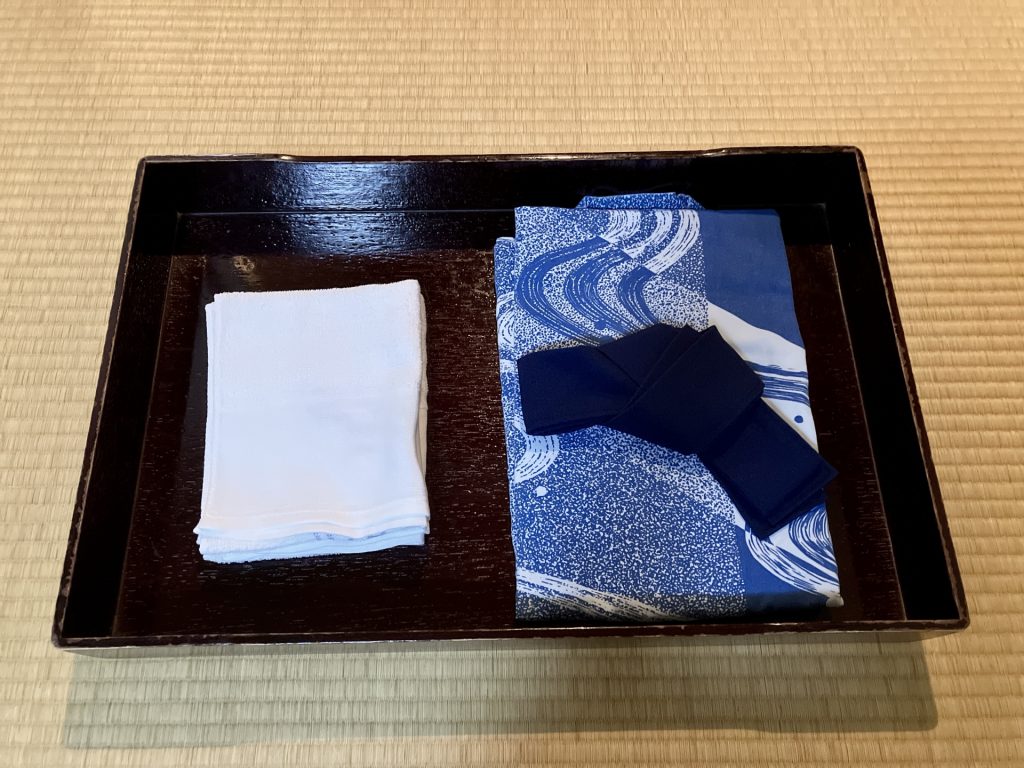
Then don’t rush the wind-down, because it’s half the point. Many facilities have a rest lounge with tatami or wooden benches where you can cool off, have a cold drink and sit quietly for a while. It’s one of the most restful parts of the whole visit.
One of my favorite rest areas is in Maenohara Sayano Yudokoro which has a beautiful Japanese garden and an amazing restaurant with great Japanese food.
Onsen Etiquette FAQ
Now for a quick fire list of questions that are regularly asked about onsens in Japan.
Final Thoughts: Picking the Right Higaeri Onsen for You
And that’s it! You’re ready for your first onsen, but you might not know where to go. Why not head to my main onsens page for some inspiration? If you’re combining your soak with a night away, my guide to what a ryokan actually is might help too.
Any Questions or Feedback?
If you’d like a personal recommendation based on your dates, where you’re staying, or any tattoo-specific questions, head to the Get Advice page and I’ll get back to you personally.
Or, since you’ve got the “how to get in an onsen” knowledge, why not visit the main onsens page to learn “how to find an onsen?”
In any case, I hope you have a wonderful onsen journey!